


¨
Glossary

¨
Glossary
¨
Glossary


G
ITS Engineer Guidance

G
ITS Engineer Guidance
G
ITS Engineer Guidance

F
Bus Operator Guidance

F
Bus Operator Guidance
F
Bus Operator Guidance


E
Traffic Signals EngineerGuidance

E
Traffic Signals EngineerGuidance
E
Traffic Signals EngineerGuidance

C
Public Transport Manager Guidance

C
Public Transport Manager Guidance
C
Public Transport Manager Guidance

D
Traffic Manager Guidance

D
Traffic Manager Guidance
D
Traffic Manager Guidance

B
Transport Planner Guidance

B
Transport Planner Guidance
B
Transport Planner Guidance

A
Senior Policy Team Member
Guidance

A
Senior Policy Team Member
Guidance
A
Senior Policy Team Member
Guidance

Key Concept 1: What is Bus Priority?

Key Concept 1: What is Bus Priority?
Key Concept 1: What is Bus Priority?

Key Concept 2: Benefits and risks

Key Concept 2: Benefits and risks
Key Concept 2: Benefits and risks

Key Concept 3: Navigating transport planning priorities


Key Concept 3: Navigating transport planning priorities
Key Concept 3: Navigating transport planning priorities
Key Concept 4: How to deliver TSBP
Key Concept 4: How to deliver TSBP
Key Concept 4: How to deliver TSBP


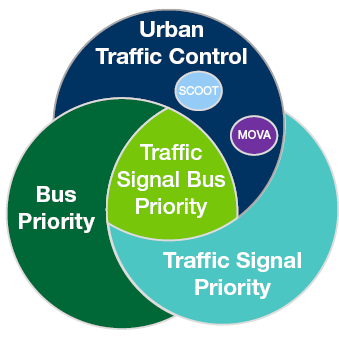
This diagram shows how Traffic Signal Bus Priority sits at the centre of a complex interrelationship between:
Local Authority signal management systems, known as Urban Traffic Control (UTC);
All types of Bus Priority measures; and
Traffic Signal Priority measures, which might also extend the green signal for other road users, such as emergency vehicles.
When does Bus Priority matter?
more…
more…
more…
Key Concept 1:
Traffic Signal Bus Priority is relatively inexpensive and quick to implement
subject to:
The prevailing condition of signalling systems in the area where the measures are to be implemented.
The willingness and capability of the area’s bus operators to implement required changes to their electronic systems.
The next three pages provide a deeper dive into bus priority measures.
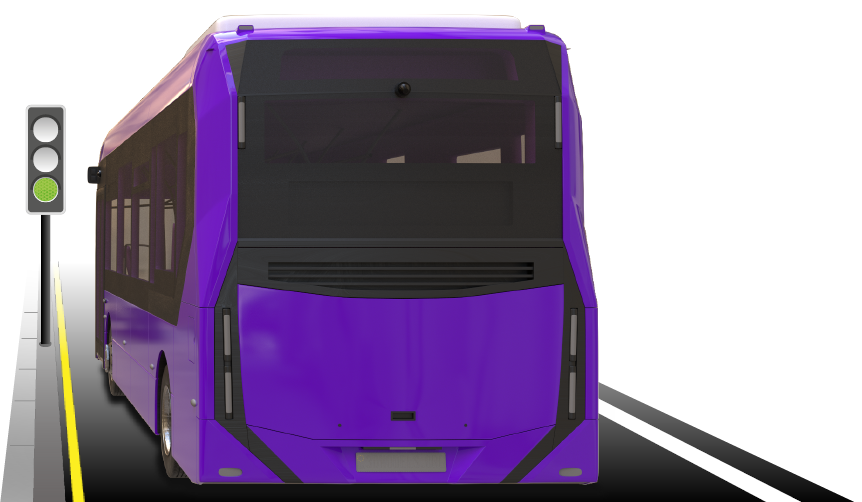

Physical measures: adapting the physical road layout in various ways.
Digital technology measures: adjusting traffic signals to increase the amount of ‘green lights’ buses are given.
This guidance is focused on digital technology measures, collectively known as Traffic Signal Bus Priority.
When buses routinely get stuck in traffic this can:
Negatively impact policy efforts to promote public transport
Lead to increased journey times, leading to reduced
reliability and increased passenger dissatisfaction.
Add to congestion, causing frustration to other drivers
Increase CO2 emissions and reduce air quality
Increase burdens on bus operators – because of greater delays, additional fuel costs and lower driver wellbeing
Giving a bus priority involves either:


